Narcissistic Energy Vampires: How Narcissists Drain Your Energy and How to Protect Yourself
If you are spending more and more of your time managing someone else’s moods, reactions, or need for attention, the relationship may be draining more of your energy than you realize.
A narcissistic “energy vampire” is someone whose constant need for attention, reassurance, control, or emotional support can leave the people around them mentally and emotionally worn down. You may find yourself changing what you say, what you do, and even how you plan your day to avoid arguments, calm them down, or prevent another blowup.
The point is to recognize how narcissistic behavior can affect your confidence, independence, and energy, and what you can do to protect yourself.
Why Narcissists Can Feel So Draining
In these relationships, one person’s mood can start setting the tone for everyone around them.
Their need for praise can start to feel like your responsibility, and their disappointment may leave you spending hours trying to make things right. Their anger can make people think twice about what they say, how they say it, or whether it is worth bringing something up at all. Someone else’s success may suddenly feel threatening, while their own embarrassment or frustration can turn into blame, criticism, or anger directed at the people around them.
You start learning which subjects are safe and which ones are likely to set something off. You soften opinions you would normally say without a second thought. You rehearse how to say no before you say it. You hold back good news because you know it may turn into competition. Sometimes you apologize just to end the argument, even when you do not believe you did anything wrong. You can spend an hour explaining a decision that should have required one sentence.
And the stress does not necessarily end when the argument does. Living this way day after day can leave you tense even when nothing is happening.
Why Narcissists Keep Pulling Attention Back Toward Themselves

Narcissism is often mistaken for simple vanity or someone acting overly confident or superior. But vulnerability and insecurity can be part of it too.
Research on narcissism has described both grandiose and vulnerable patterns. Someone may act superior, entitled, or certain of their own importance while also being highly sensitive to criticism, embarrassment, rejection, or anything that threatens how they see themselves.
Praise, approval, and being admired, agreed with, or seen as right can become especially important.
A disagreement may be treated as disrespect. Time with friends may lead to accusations of neglect or disloyalty. Someone else receiving praise can become a source of jealousy or competition. A boundary may be treated as selfish, while a request for accountability can quickly turn into an argument about what you supposedly did wrong.
No outsider can know exactly what is going on inside another person’s mind. What you can notice is how people around them respond: trying to calm things down, choosing their words carefully, or avoiding certain subjects because they are worried about the reaction.
Shame, insecurity, or vulnerability may help explain a reaction, but they do not excuse humiliating someone, trying to control them, or punishing them for having boundaries.
How the “Energy Vampire” Effect Is Created
The exhaustion can build when the same demands on your time, attention, and emotional energy happen again and again.
Some narcissistic behaviors are easy to recognize. The person may dominate conversations, seek constant praise, belittle others, expect special treatment, react angrily to criticism, or demand more of your time and attention than you are comfortable giving.
Other behaviors can be harder to recognize because they may come across as concern, vulnerability, or hurt even when they leave you feeling pressured, guilty, or responsible for the other person’s emotions.
A need for reassurance can look like vulnerability. Jealousy may come across as concern, and controlling behavior may be described as love or protection. Withdrawal can look like hurt. You may be asked to prove your loyalty again and again, only to be told that whatever you offer is still not enough.
After conflict, you may end up calming them after they insult you, facing silence or distance when you disagree, or hearing events retold so often that you start questioning your own memory. Guilt can also be used to turn a reasonable boundary into evidence that you are cruel.
Some of these behaviors can cross into emotional abuse when they are used to control, isolate, intimidate, humiliate, or make someone doubt their own reality. The National Domestic Violence Hotline lists threats, constant monitoring, excessive jealousy, withholding affection as punishment, and gaslighting among the warning signs of emotional abuse.
What Narcissistic Energy-Draining Behavior Can Do to You
The argument may end, but the stress often does not.
You replay what was said and wonder whether you remembered it correctly. You pick apart your tone, thinking about whether you should have said something differently. You start preparing explanations for choices that should not require permission and checking messages for signs that something is wrong. Even ordinary conversations can start to feel like something you need to plan in advance.
Over time, so much of your energy can go toward trying to keep the peace that you barely notice how much of your own life has been pushed aside.
You may stop telling friends what is happening because explaining the latest conflict feels embarrassing or exhausting. Family visits may become less frequent because they cause arguments afterward. You can become quieter, more cautious, and less certain of yourself. Things you care about may stay unspoken because the reaction feels too costly. Eventually, a “good day” may simply mean the other person stayed calm.
Being put down, second-guessed, controlled, or made to question your own memory can slowly wear away at your confidence. After a while, you may start wondering whether you are overreacting or whether you can trust your own judgment.
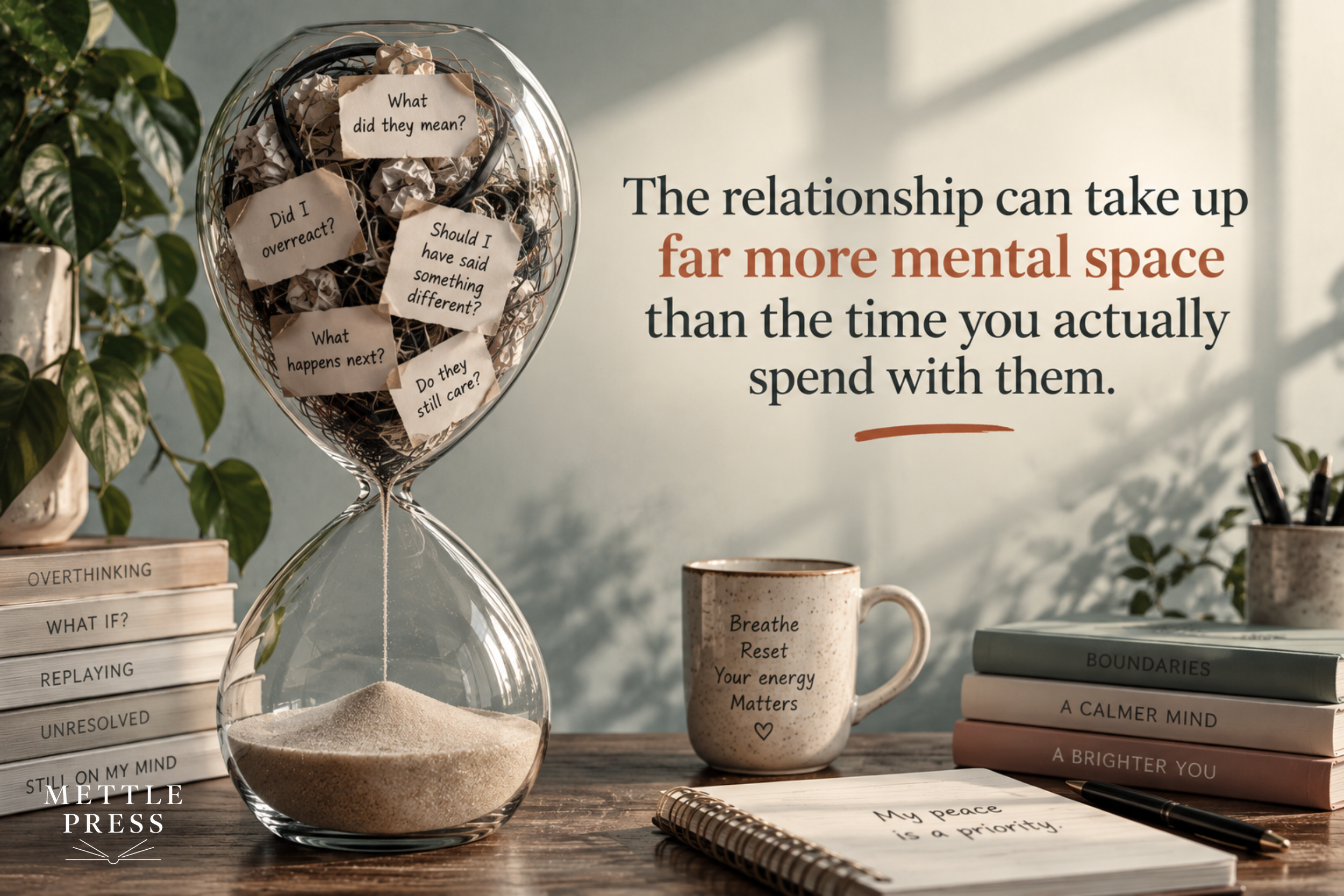
That mental strain does not stay inside the relationship. Work, friendships, rest, hobbies, decisions, and even ordinary moments can become harder to enjoy. The relationship can take up far more mental space than the time you actually spend with them.
Narcissism, Provocation, and Aggression
Emotional exhaustion is one concern. In some situations, there may also be questions about aggression or safety.
Narcissism does not automatically make someone violent, and narcissists should not automatically be treated as dangerous.
Research has found a connection between narcissism and aggression. One large review of hundreds of studies found that higher levels of narcissism were associated with more aggressive and violent behavior, with the connection becoming stronger when people were provoked. That does not mean a narcissist will become violent, and the research cannot predict what one specific person will do.
But threats, stalking, intimidation, property destruction, physical violence, or retaliation should always be taken seriously, regardless of whether narcissism is involved.
Signs You May Be Dealing With a Narcissistic Energy Vampire
Most concerning relationships do not begin with an obvious threat or one dramatic event. If you are trying to understand what is happening, pay attention to what keeps happening over time.
Can you disagree or say no without facing guilt, rage, silent treatment, threats, or retaliation? Are your needs taken seriously too, or do they disappear whenever they conflict with what the other person wants?
Think about what happens when they hurt you. Can they acknowledge it without immediately turning the blame back on you? Do the same rules apply to both of you? Can you spend time with other people without accusations or consequences?
And when conflict happens, does it actually get resolved, or do you walk away exhausted, apologizing, doubting yourself, and promising to change?
Everyone can be selfish or defensive sometimes, and most people have arguments they do not handle well. The concern is when those reactions become controlling, punishing, or difficult to avoid.
If keeping the relationship peaceful means giving up your privacy, friendships, money, independence, confidence, or ability to say no, that is not a small compromise. It is a sign that the relationship is costing you parts of your own life.
How to Protect Yourself and Get Your Energy Back
Advice about narcissistic relationships often comes down to one phrase: “set boundaries.” That can help, but it can also leave you feeling like it is your job to find exactly the right words.
A boundary is not a perfect sentence that suddenly makes another person respect you. It is deciding what you will and will not participate in, and how you will respond when that boundary is ignored.
That may mean ending a conversation when insults start, refusing to explain the same decision over and over, or being more careful about what personal information you share. It can also be as specific as saying, “I am not going to continue this conversation while I am being yelled at,” and then ending the call or leaving the room if the yelling continues.
Other boundaries can be just as practical. You might decide not to answer repeated calls or texts after you have already said you are unavailable. You might say, “I’ve already made my decision. I’m not going to keep arguing about it.” If someone keeps using personal information against you, you may decide to stop sharing things they do not need to know. A boundary can also mean deciding that you will leave a conversation as soon as insults, name-calling, or threats begin.
In other situations, protecting yourself may mean limiting contact, keeping communication focused only on what is necessary, reconnecting with people you have been pulled away from, or ending the relationship altogether.
A Practical Checklist for Protecting Your Energy
If you are not sure where to start, focus on a few concrete steps:
Notice which interactions leave you feeling drained, anxious, guilty, or confused.
Decide what you will no longer argue about, explain repeatedly, or defend.
Choose one or two boundaries you can actually follow through on.
Limit how much personal information you share if it is later used against you.
Give yourself permission not to answer every call, message, accusation, or demand immediately.
Stay connected to friends, family members, or other people you trust.
Start with one change you can realistically maintain, whether that means ending certain conversations, sharing less information, or creating more distance.
If you have spent a long time trying to keep the peace, even a little distance can feel uncomfortable at first. Saying less, explaining less, refusing to defend every choice, or allowing someone to be unhappy with you can feel wrong when you have become used to treating their discomfort as an emergency.
It is not.
You do not have to confront someone perfectly, and you do not have to convince them that your reasons are valid before you protect yourself.
Safety and Support
When threats, stalking, monitoring, property destruction, financial control, coercive control, violence, or fear about what may happen if you leave are part of the situation, boundaries alone may not be enough, and leaving may require careful planning. The National Domestic Violence Hotline recommends individualized safety planning for people preparing to leave or dealing with risks that may continue afterward.
You do not have to handle those risks alone. A trusted person, domestic violence advocate, or other qualified support service can help you think through your options and make a safer plan.
If you are in immediate danger, contact emergency services in your area.
Pay Attention to What the Relationship Is Costing You
When you have been living with this kind of behavior, it is easy to start searching for proof. You read about narcissism, replay conversations, look for explanations, and wonder whether what happened was really serious enough to justify how exhausted you feel.
But you do not need one final piece of evidence before taking what is happening seriously. If a narcissist repeatedly demands your attention, punishes your independence, undermines your confidence, isolates you, makes you question your own reality, or requires you to give in just to keep the peace, what it is doing to your life is already enough reason to take it seriously.
Look at what the relationship is asking you to give up. Look at how much of your time is spent managing reactions, explaining yourself, recovering from arguments, or making yourself smaller to keep someone else calm.
Then look at what you want back: the freedom to make your own decisions, spend time with people you care about, speak without rehearsing every word, and move through your day without constantly wondering how someone else will react.
That is where your energy belongs.
This article is for general educational and informational purposes and is not legal, medical, mental health, or emergency advice. Laws and individual circumstances vary. If you are concerned about your safety, contact a qualified local professional, domestic violence organization, child-abuse resource, or emergency service.